Bonus Bridges: Connecting Trial Offers with Sustained Play Through Strategic Code Deployment
Mia Baumann · Jul 21, 2026

Bonus Bridges: Connecting Trial Offers with Sustained Play Through Strategic Code Deployment
Operators across digital gaming platforms rely on structured bonus systems to move players from initial trials into repeated engagement, and strategic code deployment forms the core mechanism behind these transitions. Research from industry analysts shows that promotional codes function as precise connectors between no-deposit incentives and deposit-based rewards, allowing platforms to track activity while encouraging continued participation. Data indicates that when codes activate specific game categories or time-bound multipliers, conversion rates from trial users to active accounts rise measurably.
Mechanics of Trial Offers and Code Integration
Players encounter trial offers through registration processes that grant limited credits or spins without requiring upfront deposits, yet these incentives carry built-in pathways for extension. Strategic codes activate upon account verification or first deposit, unlocking matched funds or additional rounds tied to particular titles. Observers note that this deployment sequence prevents abrupt drop-offs by aligning reward triggers with player milestones, such as reaching a certain number of spins or achieving defined return-to-player thresholds.
According to reports from the American Gaming Association, structured promotional sequences help platforms maintain compliance with regional standards while optimizing user retention metrics. Codes often embed conditions like wagering requirements calculated on net losses rather than total stakes, which creates smoother progression from free trials to paid sessions. Those who monitor platform analytics frequently highlight how segmented code distribution, based on user behavior data, refines these bridges for different player cohorts.
Patterns in Code Deployment Across Platforms
July 2026 brought several platform updates that refined code activation timing, with many operators shifting toward real-time triggers linked to mobile app sessions. These adjustments allow immediate rewards for users who complete trial spins during peak hours, extending engagement windows without manual intervention. Researchers tracking gaming trends have documented cases where multi-tier codes escalate rewards automatically, moving participants from basic free spins into loyalty tiers once deposit thresholds are met.
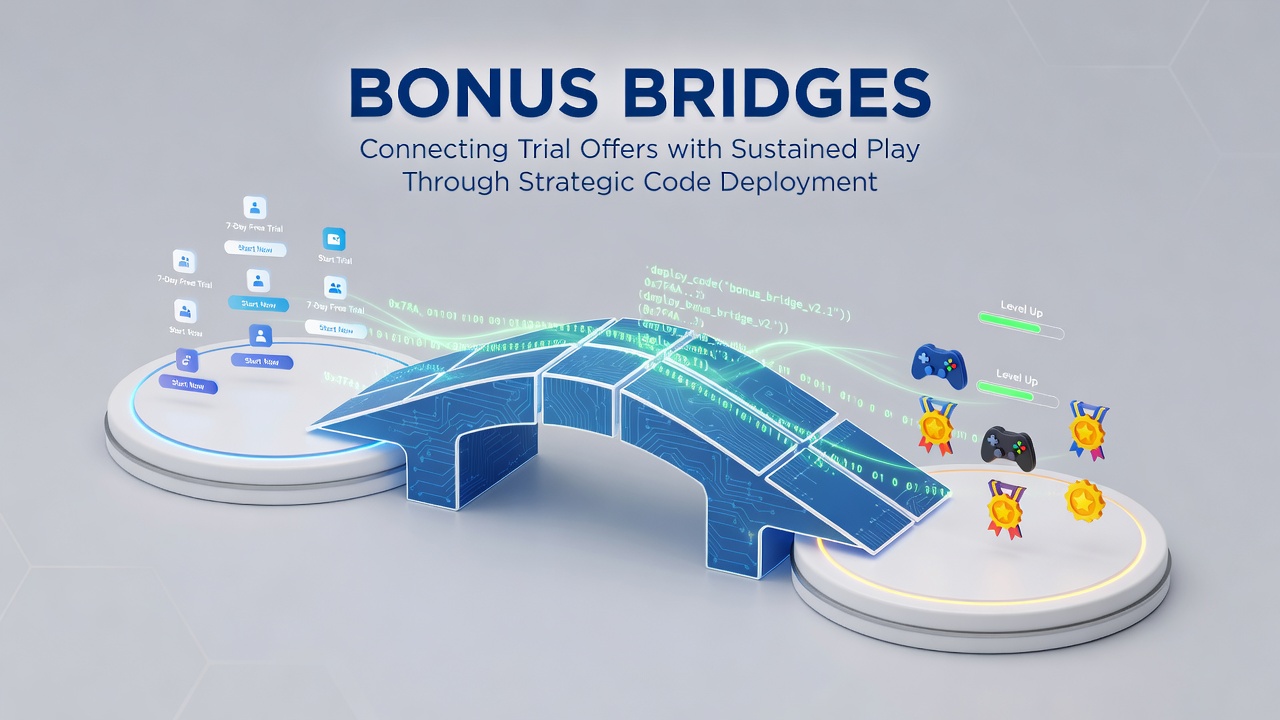
One documented approach involves embedding unique identifiers within codes that link trial activity directly to subsequent deposit matches, ensuring seamless tracking across sessions. Industry studies reveal that platforms employing such identifiers report higher completion rates for loyalty program enrollment. What's interesting is how these systems adapt to regional preferences, with codes in certain markets favoring high-volatility titles while others prioritize steady RTP options to sustain longer play periods.
Role of Data in Refining Bonus Pathways
Platform operators utilize player interaction logs to calibrate code effectiveness, adjusting parameters like expiry windows or eligible game lists based on aggregate performance figures. Evidence from academic reviews of gaming economics demonstrates that targeted code deployment reduces churn by aligning incentives with observed play patterns. For instance, codes triggered after a set number of trial spins have been shown to increase deposit likelihood when paired with personalized game recommendations.
Figures from the Australian Gambling Research Centre illustrate how similar bridging techniques operate across jurisdictions, emphasizing the importance of transparent terms that players can verify before activation. This transparency supports sustained participation because users understand the progression from trial credits to ongoing rewards without hidden restrictions interrupting momentum.
Examples of Sustained Engagement Through Codes
Take one platform that introduced sequential codes during summer 2026 campaigns; users who redeemed an initial trial code received follow-up offers tied to specific RTP ranges, resulting in extended session lengths according to internal metrics. Another case involved loyalty escalators where codes automatically upgraded account status after trial completion plus one deposit, fostering repeat visits over multiple weeks. Observers note that these examples reflect broader industry shifts toward automated, behavior-responsive systems rather than static promotions.
Conclusion
Strategic code deployment continues to serve as the connective tissue between trial offers and prolonged play across digital gaming environments. By embedding measurable triggers and adaptive conditions, operators create pathways that align short-term incentives wth longer-term activity patterns. Data from multiple regions confirms that refined deployment methods contribute to measurable retention improvements when implemented with clear parameters and timely activation. As platforms refine these systems further, the focus remains on linking initial access points to sustained engagement through precise, trackable mechanisms.