Building Player Loyalty Through No-Cost Spins in Britain's Regulated Casino Environment
Erik Peters · Aug 18, 2026

Building Player Loyalty Through No-Cost Spins in Britain's Regulated Casino Environment
Operators in Britain's regulated casino scene have long used no-cost spins as an entry point that introduces new participants to slot mechanics while establishing initial contact points that can develop into extended engagement patterns, and data from various industry analyses shows these offers often serve as the first step in sequences that transition players toward structured loyalty frameworks where continued activity earns escalating rewards.
Initial Contact Through Complimentary Spins
Research indicates that no-cost spins function as low-barrier tools that allow participants to experience game interfaces without immediate financial commitment, and this approach aligns with patterns observed in several international markets where similar mechanics help operators collect behavioral data that informs later personalized communications. Observers note how these spins frequently appear in welcome sequences that guide users through account verification steps, deposit processes, and game selection interfaces while simultaneously logging preferences that later support targeted retention efforts.
Studies from academic institutions such as the International Gaming Institute at the University of Nevada have examined how initial free-play periods correlate with longer session durations across multiple jurisdictions, and those findings suggest that players who receive structured onboarding spins tend to explore additional titles at higher rates than those who begin with paid options only.
Transitioning to Sustained Engagement Models
Once initial spins conclude, operators shift focus toward deposit-linked incentives and tiered loyalty structures that convert early trial activity into recurring participation, and this progression relies on clear progression pathways where accumulated play triggers bonus credits, cashback percentages, and exclusive event invitations. Data shows that seamless handoffs between no-cost phases and paid phases reduce drop-off rates because participants already understand interface elements and payout structures from their introductory experiences.
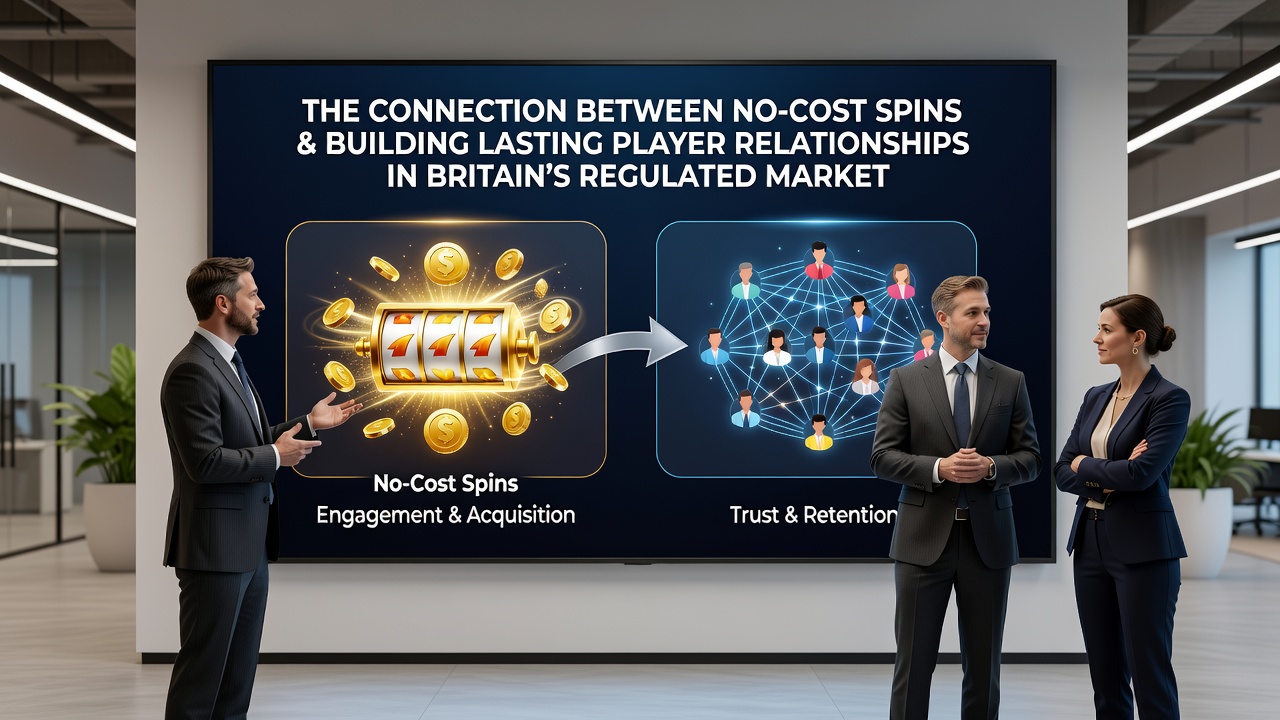
Those who study retention metrics point out that players who complete no-cost spin rounds often receive follow-up messages highlighting loyalty club benefits, and these communications frequently reference specific games the user tried during the trial period to maintain relevance. In August 2026 operators continued refining these sequences by integrating real-time analytics that adjust reward offers based on recent spin outcomes and session frequency, creating feedback loops that encourage consistent return visits.
Regulatory Context Shaping Offer Structures
Britain's licensing requirements mandate transparent terms for all promotional activities including no-cost spins, which means operators must display wagering conditions, expiration dates, and eligibility rules in accessible formats that prevent misunderstandings during the transition to loyalty programs. Compliance teams monitor these disclosures to ensure offers remain consistent with broader consumer protection standards that apply across the entire player lifecycle from first interaction through VIP tier advancement.
International comparisons reveal similar transparency expectations in other regulated environments, and reports compiled by organizations such as the Victorian Responsible Gambling Foundation highlight how clear promotional rules support sustained relationships by reducing friction caused by unexpected restrictions. British operators therefore integrate these requirements directly into their loyalty design so that players encounter consistent standards whether they are claiming introductory spins or unlocking higher-tier benefits months later.
Analytics Driving Relationship Longevity
Advanced tracking systems now measure how no-cost spin usage predicts future deposit frequency and average session length, allowing operators to identify participants who show early signs of disengagement and intervene with tailored loyalty adjustments. These systems draw on aggregated datasets that capture game selection, time-of-day preferences, and response rates to previous promotions, producing models that forecast retention probabilities with increasing accuracy.
Operators have observed that players who progress through multiple loyalty tiers after an initial no-cost experience demonstrate higher lifetime value metrics, and this correlation encourages continued investment in spin-based acquisition campaigns that feed directly into segmented reward structures. The result appears in programs where milestone achievements unlock personalized spin packages that reference earlier free-play sessions, reinforcing continuity between entry-level offers and established membership benefits.
Conclusion
Evidence from regulatory compliance records and industry performance indicators demonstrates that no-cost spins operate as foundational elements within broader loyalty architectures in Britain's regulated casino sector, where initial trial mechanics feed into sustained engagement frameworks that emphasize transparency, data-driven personalization, and progressive reward systems. Observers continue to track how these connections evolve as operators refine their approaches to maintain alignment with licensing expectations while supporting extended player participation patterns.