Charting Player Advancement: Entry Offers to Loyalty Structures in Slot Play
Mia Baumann · Aug 23, 2026
Charting Player Advancement: Entry Offers to Loyalty Structures in Slot Play
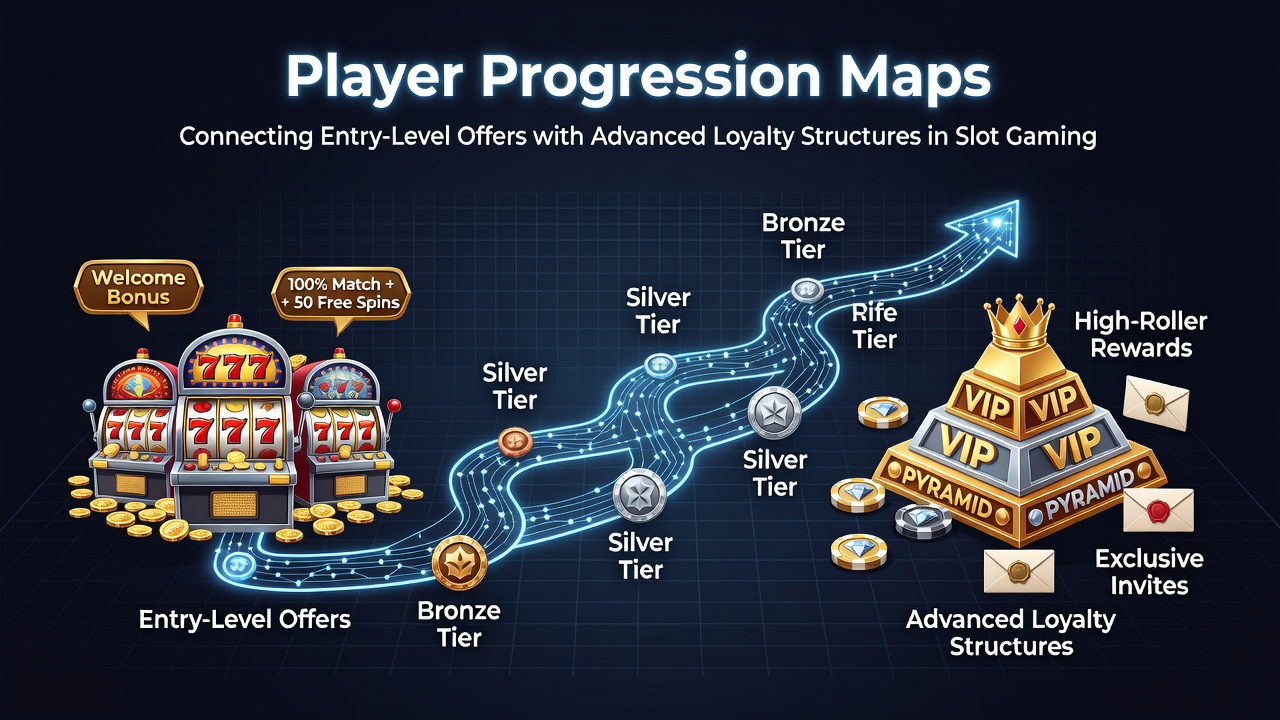
Slot gaming platforms organize incentives through structured pathways that guide participants from initial interactions toward sustained engagement, and these maps connect basic entry points with deeper reward frameworks. Operators design entry-level offers such as free spins or matched deposits to introduce new accounts, while data tracking systems monitor activity levels and transition qualifying players into tiered loyalty programs that unlock escalating benefits over time.
Defining the Initial Stages of Participation
Entry-level incentives typically include no-deposit spins or small credit bonuses that require account verification and limited wagering thresholds, and these elements serve as gateways that collect behavioral data without demanding upfront commitments. Platforms log metrics including session duration, game selection, and wager patterns, then apply algorithms that flag consistent activity for potential elevation into loyalty structures. Research from the European Gaming and Betting Association indicates that such early offers generate measurable retention signals within the first seven days of registration.
Operators segment users based on deposit frequency and average bet size, yet the process remains automated in most systems to maintain compliance with jurisdictional standards. Players who complete introductory challenges often receive notifications about status upgrades, and these alerts reference accumulated points that convert into loyalty currency usable across multiple titles.
Transition Mechanisms That Link Stages
Progression maps rely on point accumulation formulas where every wager contributes a fixed percentage toward tier advancement, and bonus codes tied to specific games accelerate the count during promotional windows. In August 2026 several platforms updated their tracking dashboards to display real-time progress bars that visualize distance to the next loyalty level, incorporating filters that separate standard play from bonus-triggered activity. This visibility encourages continued participation while providing transparent records of how entry offers feed into broader reward ecosystems.
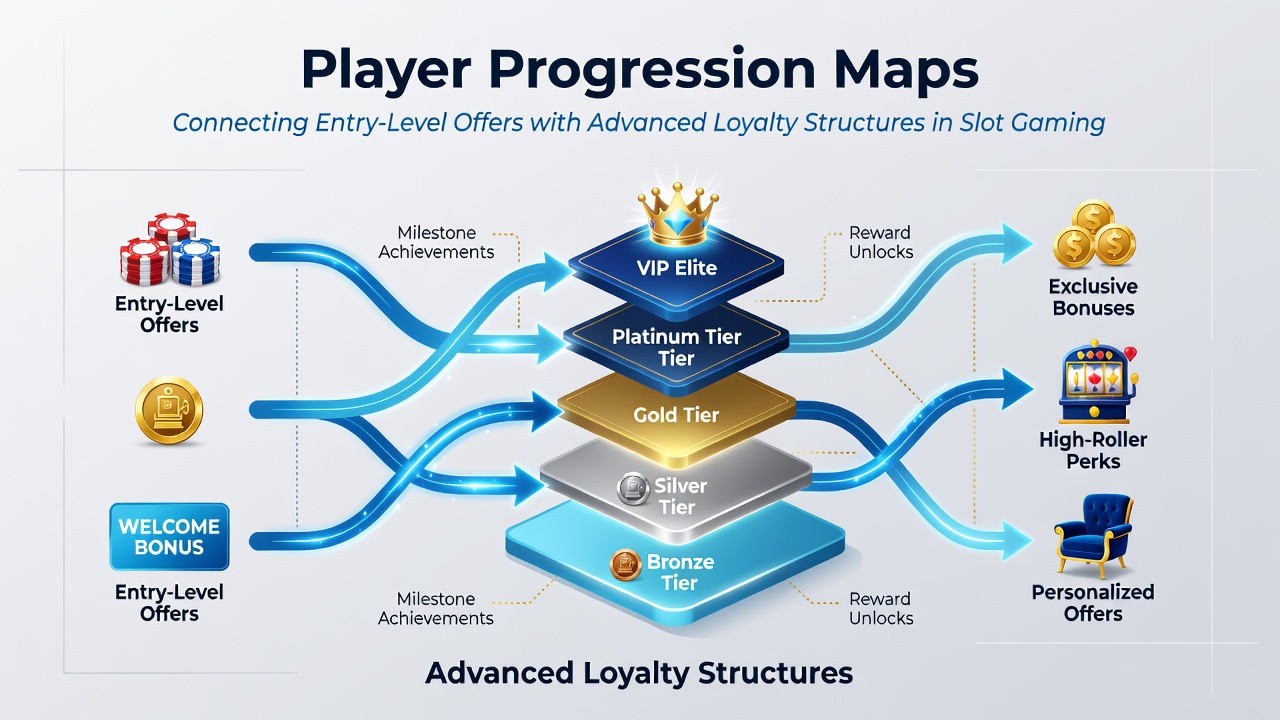
Systems integrate deposit match multipliers that scale according to loyalty tier, so an initial free spins package can evolve into percentage-based returns on subsequent deposits once thresholds are met. External audits verify that these transitions adhere to published rules, and figures from the Nevada Gaming Control Board confirm standardized reporting across participating operators.
Advanced Loyalty Frameworks and Their Components
Once players reach mid-tier status, programs introduce cashback percentages, exclusive tournament entries, and personalized game recommendations derived from historical data. Higher tiers add dedicated account managers along with accelerated withdrawal processing and higher deposit limits, all calibrated through the same progression map that originated with the first entry offer. These structures operate on monthly or quarterly resets that preserve momentum while introducing new targets for continued advancement.
Case examples drawn from operator disclosures show that participants who begin with coded free spins frequently achieve VIP qualification within three to six months when activity remains steady. Loyalty points earned from base gameplay carry forward into these tiers, creating continuity that rewards consistent behavior rather than isolated high-volume sessions.
Data Patterns Across Jurisdictions
Industry reports track conversion rates from entry offers to loyalty enrollment, and aggregated statistics reveal that between 12 and 18 percent of new accounts reach at least one elevated tier within the first quarter. Platforms refine these maps by adjusting point values for different game categories, emphasizing titles with lower house edges to sustain longer engagement cycles. Observers note that transparent communication of requirements reduces drop-off at each stage, while segmented messaging tailored to individual play histories improves upgrade acceptance.
Cross-regional comparisons highlight variations in maximum bonus values and wagering multipliers, yet the underlying architecture of connecting starter incentives with loyalty endpoints remains consistent. Academic analyses published through university gaming research centers further examine how these maps influence session length and total spend across demographic groups.
Conclusion
Player progression maps function as integrated systems that transform initial slot offers into gateways for advanced loyalty structures, supported by data-driven tracking and regulatory oversight. Operators continue to refine these frameworks through iterative updates that balance player incentives with compliance requirements, producing measurable pathways that extend participation over extended periods.