Charting Ripple Effects from Starter Incentives to Retention Architectures in Handheld Reel Systems
Alex Schmidt · Jul 16, 2026
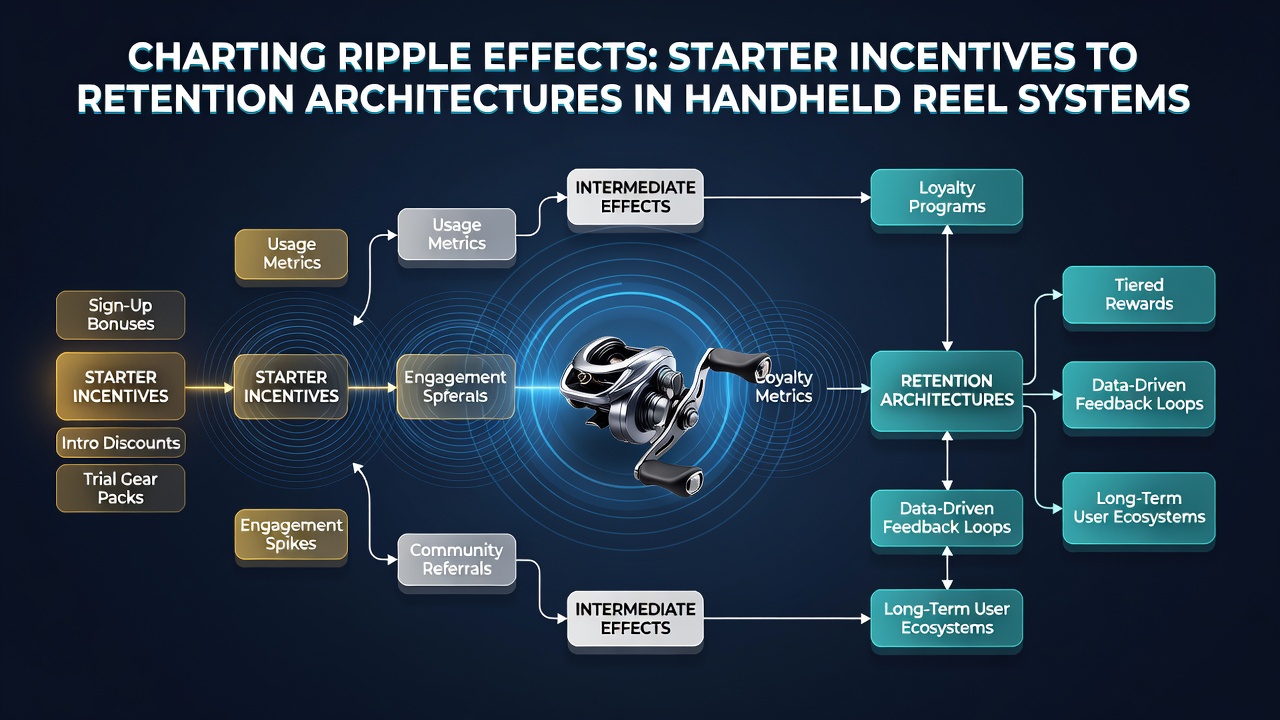
Charting Ripple Effects from Starter Incentives to Retention Architectures in Handheld Reel Systems
Handheld reel systems encompass portable devices that incorporate reel mechanisms for applications ranging from industrial measurement tools to specialized consumer equipment, and manufacturers have tracked how early incentives shape subsequent user behaviors across multiple markets. Data from industry reports indicate that starter packages, often including discounted entry-level units or bundled accessories, initiate sequences where initial adoption rates influence later engagement patterns, while retention architectures emerge through software updates, accessory ecosystems, and service contracts that extend product lifecycles.
Initial Incentive Structures and Market Entry Patterns
Companies deploy starter incentives such as limited-time pricing, free calibration kits, and introductory training modules to lower barriers for new users of handheld reel systems, according to figures released by the U.S. Bureau of Labor Statistics on manufacturing output trends through mid-2026. These offerings frequently align with seasonal production cycles, and analysts note that such approaches correlate with measurable upticks in first-quarter shipments across North American and European distribution channels. Research compiled by the Australian Bureau of Statistics shows similar patterns in the Oceania region where promotional bundles increased device registrations by double-digit margins during comparable periods.
Observers note that incentive design often incorporates data collection features from the outset, allowing firms to map user interaction baselines that inform later customization efforts. This foundation supports transitions into broader retention frameworks because early data streams reveal preferences for specific reel tension settings, battery management protocols, and connectivity options that manufacturers then prioritize in follow-up releases.
Transition Mechanisms Linking Early Adoption to Sustained Use
Once initial incentives draw users into the ecosystem, product teams activate layered retention architectures that include firmware upgrades, cloud-based analytics dashboards, and loyalty-linked accessory discounts. Studies from the European Commission's Joint Research Centre highlight how these elements interconnect, since users who begin with promotional hardware demonstrate higher participation rates in optional service programs that extend warranty coverage and provide priority support channels. The ripple effect appears in usage logs where starter-kit recipients log more frequent device synchronizations, which in turn trigger personalized recommendations that reinforce ongoing engagement.
Industry associations such as the Portable Instrumentation Manufacturers Group have documented cases where retention tools evolved directly from incentive feedback loops, with one program in Canada showing that 2025 pilot participants who received free reel calibration tools maintained active subscriptions at rates exceeding those of standard purchasers by noticeable margins. Such outcomes stem from integrated architectures that combine hardware telemetry with user account management, creating continuous value delivery beyond the original transaction.
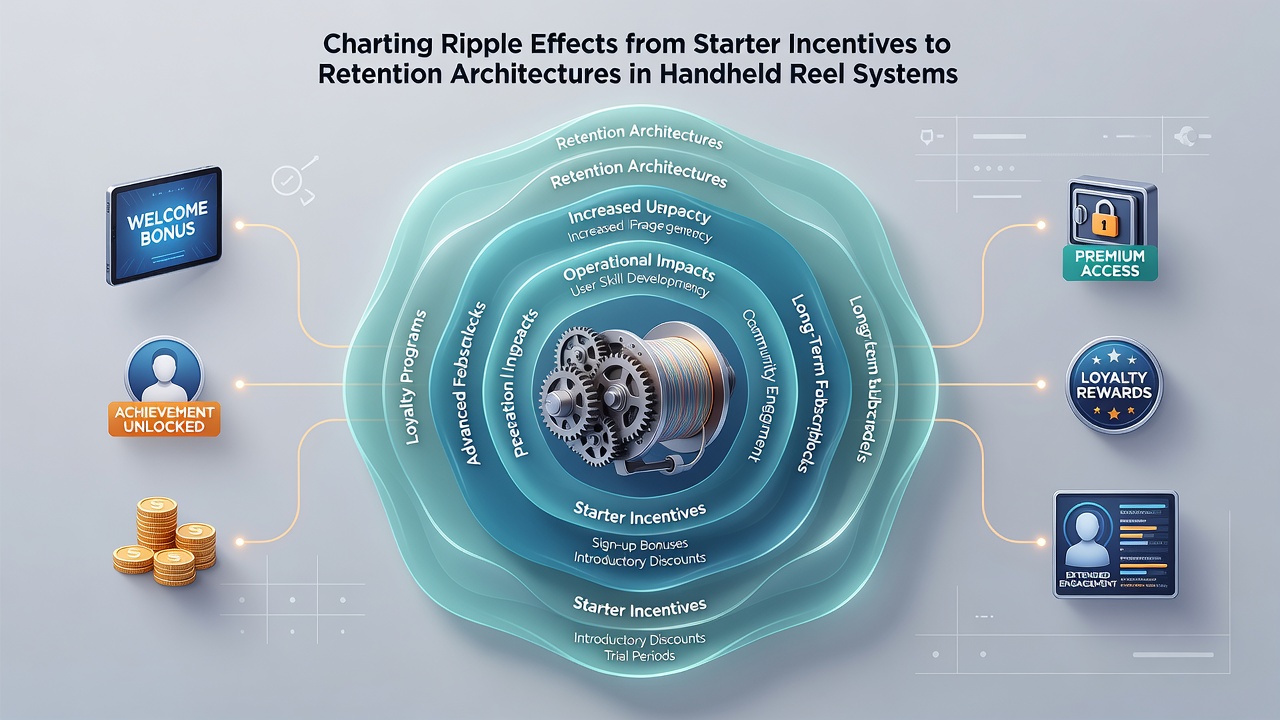
What's interesting emerges when examining cross-regional variations, because North American implementations tend to emphasize software subscription tiers while EU-based designs incorporate stricter data privacy controls that still permit targeted retention messaging. Both approaches trace back to the same starter incentive datasets yet diverge in execution based on regulatory environments and consumer expectations tracked through July 2026 market surveys.
Architectural Components That Sustain Long-Term Engagement
Retention architectures in handheld reel systems typically comprise modular elements such as progressive accessory compatibility matrices, automated maintenance alerts, and tiered membership programs that unlock advanced analytics. These components function together because they leverage the behavioral patterns established during the incentive phase, turning one-time acquisitions into recurring interactions. Academic papers from the University of Toronto's Institute for Management and Innovation have examined how telemetry from early-adopter devices feeds predictive models that anticipate replacement cycles and prompt timely upgrade offers.
Additional layers include community forums tied to device serial numbers and gamified progress tracking for maintenance milestones, both of which build on initial incentive data to foster habitual use. Government statistical agencies in multiple jurisdictions report that systems incorporating these features exhibit lower return rates and higher aftermarket revenue shares, demonstrating the practical extension of ripple effects from starter programs into comprehensive retention frameworks.
Measurement Approaches and Outcome Indicators
Organizations evaluate the effectiveness of these transitions through metrics including repeat accessory purchases, firmware update adoption percentages, and average device lifespan extensions. Reports from Statistics Canada indicate that handheld reel systems launched with structured incentive-to-retention pathways achieved measurable gains in user retention windows during 2025-2026 observation periods. Similar indicators tracked by the OECD's science and technology directorate reveal parallel developments in member countries where integrated architectures reduced churn compared to standalone product offerings.
These measurements rely on anonymized aggregate datasets collected from the point of initial incentive redemption onward, allowing continuous refinement of both hardware specifications and service delivery models without relying on isolated campaign results.
Conclusion
The progression from starter incentives to retention architectures in handheld reel systems follows observable pathways supported by usage data, firmware integration, and service expansions across international markets. Evidence from regulatory bodies, statistical agencies, and research institutions demonstrates consistent linkages between early adoption triggers and sustained engagement mechanisms that operate through July 2026 and beyond. These connections continue to shape product development cycles as manufacturers refine the interfaces between initial offerings and long-term user support structures.