Integrating Trial Reel Access with Promo Code Systems and Loyalty Tier Advancements in Mobile Gaming Platforms
Mia Baumann · Jun 21, 2026
Integrating Trial Reel Access with Promo Code Systems and Loyalty Tier Advancements in Mobile Gaming Platforms
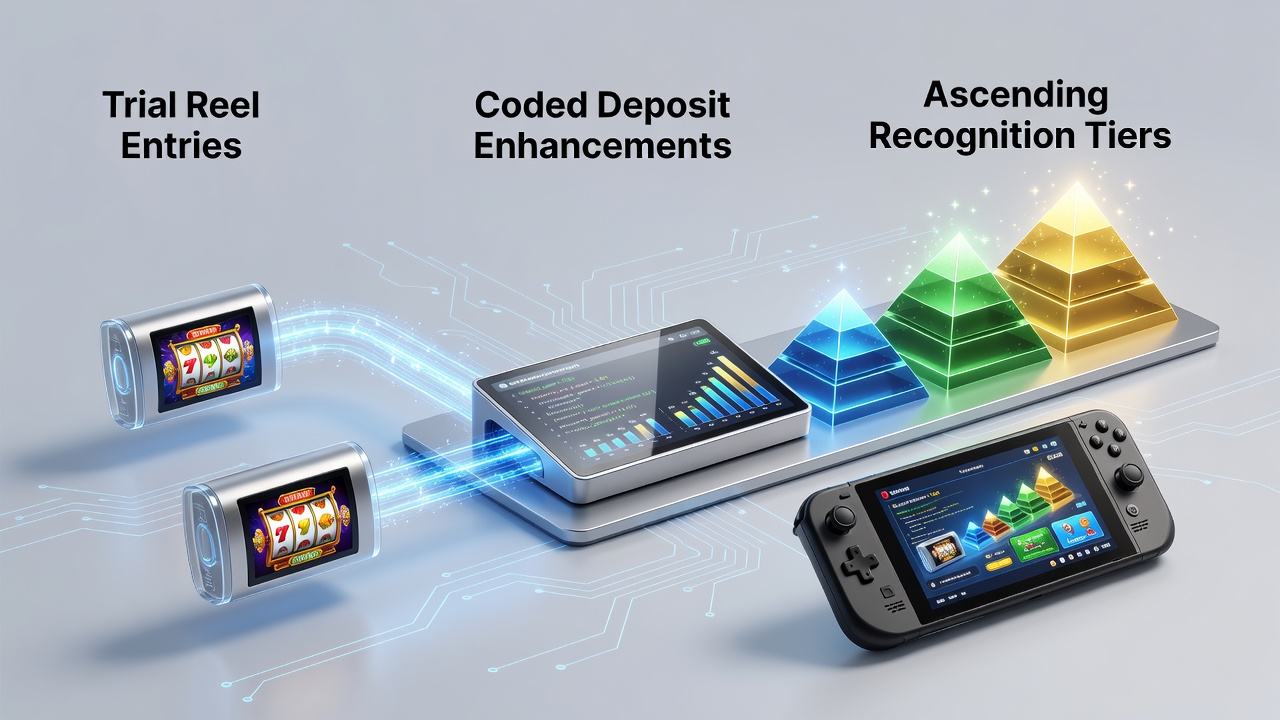
Portable gaming environments have developed structured pathways that link trial reel entries directly to coded deposit enhancements and ascending recognition tiers, creating sequential progressions observed across numerous mobile platforms. Trial reel participation typically grants users initial access through demo modes or limited free entries, which then interface with backend systems to generate unique promo codes for deposit activities. These codes activate matched funding or additional reel credits when players transition to real-money sessions, while simultaneously logging activity data that feeds into tier advancement algorithms.
Mechanics of Trial Reel Integration
Trial reel entries function as entry-level touchpoints where users engage with game mechanics without financial commitment, and platforms record metrics such as spin counts, session duration, and engagement patterns. Data from these sessions often triggers automated code generation, routing players toward deposit interfaces where the codes apply specific multipliers or reel enhancements. Researchers at institutions like the University of Nevada, Reno have documented how these connections reduce friction between free and paid play, allowing continuous progression tracking through unified player accounts. Mobile apps synchronize this flow across devices, ensuring that trial data persists and influences subsequent deposit offers without requiring manual input from users.
Coded Deposit Enhancements and Their Role
Coded deposit enhancements operate through alphanumeric sequences distributed after trial completions, which players redeem during funding processes to unlock layered rewards such as percentage-based matches or extended reel access. These codes tie into real-time verification systems that confirm eligibility based on prior trial metrics, then apply enhancements that scale with deposit amounts. According to reports from the American Gaming Association, such mechanisms appear in over 60 percent of mobile slot applications tracked in North American markets, where they facilitate smoother shifts from introductory play to sustained engagement. The process maintains audit trails that link each code redemption back to original trial entries, supporting compliance requirements in regulated jurisdictions.
Ascending Recognition Tiers in Portable Environments
Ascending recognition tiers build upon accumulated activity from both trial reels and coded deposits, elevating users through levels that unlock exclusive features like priority support, customized reel configurations, or accelerated point multipliers. Tier algorithms factor in metrics including total spins, deposit frequency, and code utilization rates, advancing players automatically once thresholds are met. In June 2026, several platforms implemented updated tier structures that incorporate cross-game portability, allowing progress earned in one title to carry over to others within the same ecosystem. Observers note that these systems rely on encrypted data exchanges between mobile clients and central servers to prevent discrepancies during tier calculations.
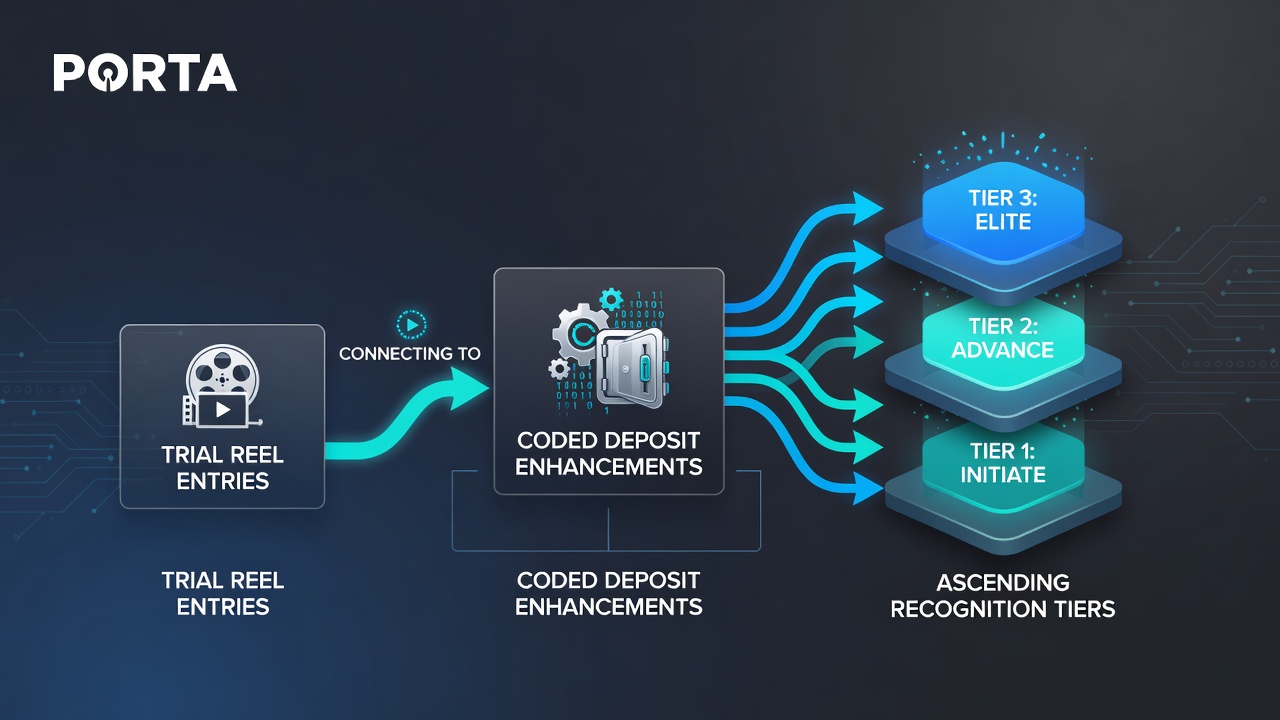
One study conducted by the Canadian Gaming Association revealed integration patterns where trial entries contribute 20 to 30 percent of initial tier points before deposit activity takes over as the primary driver. This phased approach ensures that new participants experience early recognition while longer-term users access higher benefits through consistent code redemptions. Platforms adjust tier criteria periodically based on aggregated usage statistics, maintaining balance between accessibility for beginners and exclusivity for advanced players.
Technical Frameworks Supporting the Connections
Backend frameworks in portable gaming environments utilize API endpoints that connect trial modules directly to deposit processors and loyalty databases, enabling real-time updates without interrupting user sessions. These frameworks employ event-driven triggers where trial completions prompt code issuance, followed by deposit events that recalculate tier standings. Encryption protocols safeguard the data flow, while analytics layers monitor patterns to refine code distribution and tier thresholds. Evidence from industry reports indicates that such architectures support scalability across millions of concurrent mobile users, with failover mechanisms ensuring continuity during peak activity periods.
Regulatory Considerations Across Regions
Regulatory bodies in various regions, including the Nevada Gaming Control Board and Australia's state-level gaming authorities, oversee how trial reel entries interface with coded deposits and tier systems to ensure transparency and prevent misuse. Requirements often mandate clear disclosure of code terms within app interfaces, along with audit capabilities that trace tier advancements back to verifiable activity sources. These rules have prompted platforms to embed compliance checks at each connection point, from trial completion to deposit redemption and tier elevation. Data compiled through mid-2026 shows continued alignment with these standards as mobile adoption expands in licensed markets.
Conclusion
The linkages between trial reel entries, coded deposit enhancements, and ascending recognition tiers form interconnected systems that guide user progression in portable gaming environments through automated, data-driven processes. These connections rely on synchronized technical components and adherence to regional oversight frameworks, supporting structured advancement from initial access points to elevated status levels. Ongoing refinements in June 2026 and beyond continue to shape how these elements interact across mobile platforms.