Pathways from Initial Incentives to Prolonged Participation in Mobile Slot Environments
Yves Hoffmann · Sep 8, 2026
Pathways from Initial Incentives to Prolonged Participation in Mobile Slot Environments
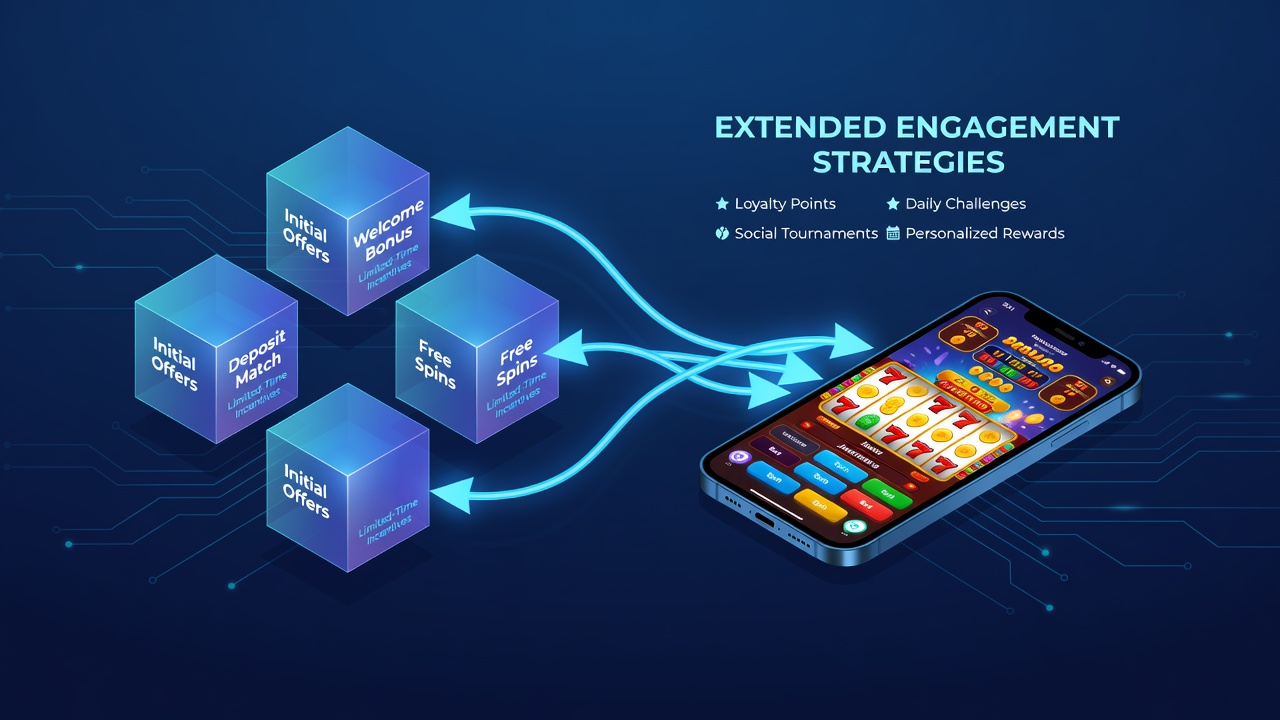
Initial offers in smartphone-based slot activities function as entry points that introduce players to game mechanics, payout structures, and interface navigation while simultaneously setting the stage for longer-term interaction patterns. Research from industry analysts shows that welcome incentives such as free spin allocations and matched deposit structures appear most frequently within the first session of mobile applications, and these elements correlate with measurable increases in subsequent login frequency according to aggregated user data collected across multiple platforms. Observers note that developers integrate these starting mechanisms with tracking systems that monitor session duration, bet sizing, and feature activation rates, which in turn inform the design of follow-up promotions tailored to individual play histories.
Mechanics of Early-Stage Incentives
Smartphone slot applications typically deliver initial offers through push notifications or in-app pop-ups that activate immediately after account creation, and these prompts often include time-limited free spins on designated titles or small credit bundles that require no upfront deposit. Data from platform analytics indicates that redemption rates for such offers peak within the first 24 hours, after which engagement metrics shift toward voluntary deposit activity when the initial incentive has been exhausted. Those who study user behavior patterns have documented that applications employing progressive reward ladders, where early bonuses unlock eligibility for larger match percentages on subsequent deposits, achieve higher retention curves compared with static offer models.
Geographic variation influences how these incentives are structured, with North American operators emphasizing compliance with state-specific wagering requirements while European platforms frequently highlight return-to-player percentages alongside the promotional terms. A report published by the American Gaming Association highlights that mobile slot sessions initiated via welcome incentives average 18 percent longer than non-incentivized sessions in regulated markets during the first quarter of 2026, suggesting a direct linkage between the entry mechanism and sustained attention.
Transition to Retention-Focused Strategies
Once the initial offer cycle concludes, platforms transition users toward extended engagement frameworks that rely on loyalty tiers, personalized mission lists, and streak-based rewards. These systems activate automatically based on accumulated play data, and the transition typically occurs between the third and seventh session when algorithmic triggers detect consistent return visits. Studies conducted by university researchers in Australia have found that players exposed to sequenced promotions, beginning with no-deposit spins and progressing to tiered loyalty points, demonstrate a 27 percent higher probability of maintaining weekly activity over a six-month period compared with those receiving only sporadic offers.
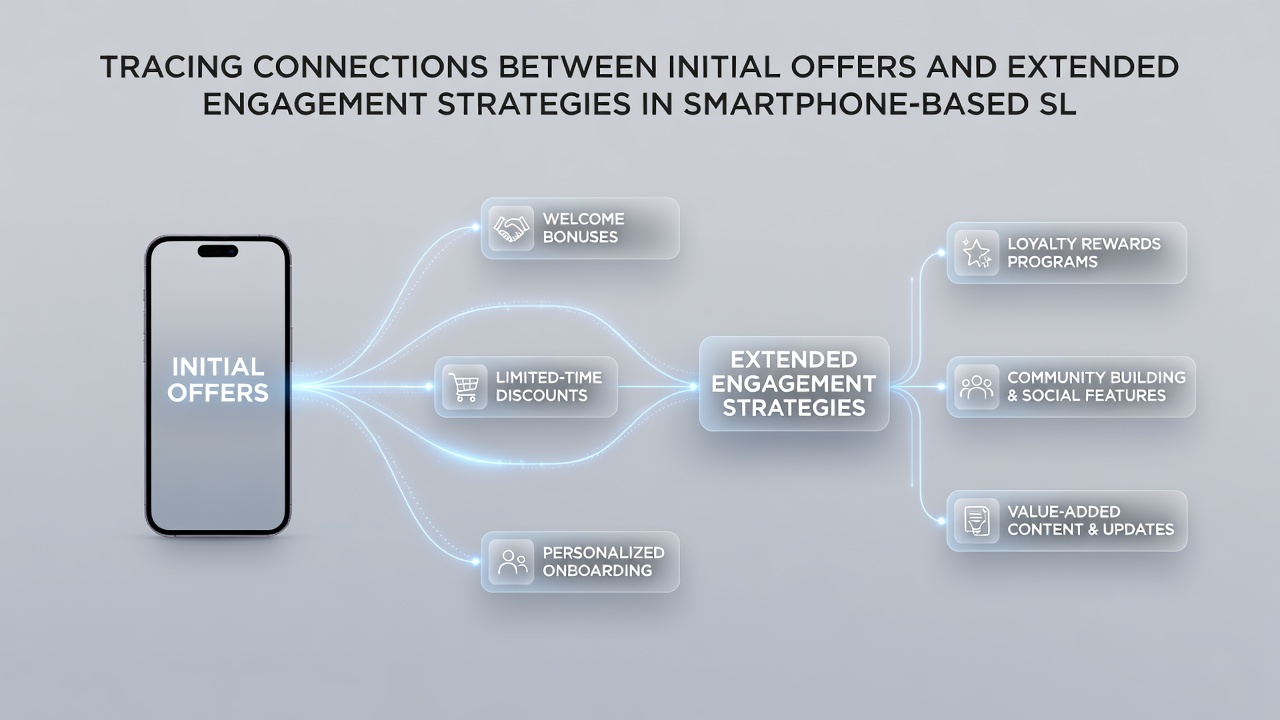
September 2026 saw the release of updated mobile engagement benchmarks from several North American regulatory bodies, revealing that applications utilizing cross-session tracking achieved conversion rates from free-play users to depositing users that exceeded 40 percent when loyalty mechanics were introduced within 14 days of the first incentive. The connection between these stages operates through behavioral reinforcement loops, where early wins or near-misses during the welcome phase increase the perceived value of continued participation, thereby priming users for acceptance of later deposit-match or cashback structures.
Data Patterns and Platform Implementation
Platform operators collect telemetry on spin velocity, feature trigger frequency, and navigation paths, then apply these datasets to calibrate the timing and scale of subsequent offers. Evidence from Canadian gaming research institutes indicates that real-time adjustment of bonus parameters, such as increasing free spin quantities for users who pause after the initial offer, produces measurable lifts in day-three and day-seven retention figures. These adjustments occur without manual intervention because machine-learning models embedded in the backend continuously refine offer eligibility based on cohort performance rather than individual requests.
External partnerships with payment processors and affiliate networks further extend the reach of these strategies, allowing initial offers to be distributed through third-party channels that feed directly into the mobile application ecosystem. The resulting data flows create closed feedback systems in which engagement metrics from extended play inform refinements to the original welcome structures, producing iterative improvements across successive application updates.
Conclusion
Smartphone slot environments demonstrate clear linkages between introductory incentives and sustained participation frameworks through sequential data collection, algorithmic personalization, and progressive reward design. Regulatory updates released in September 2026 across multiple jurisdictions underscore the importance of transparent terms within these connected systems, while academic and industry analyses continue to quantify the retention effects of sequenced promotional paths. Platform developers maintain these connections by aligning early-session mechanics with long-term tracking protocols that adapt offers according to observed behavioral signals, thereby sustaining activity levels across diverse user cohorts without reliance on isolated promotional events.