Promo Sequences and Their Influence on Extended Engagement Trends in Reel Digital Platforms
Mia Baumann · Jul 2, 2026
Promo Sequences and Their Influence on Extended Engagement Trends in Reel Digital Platforms
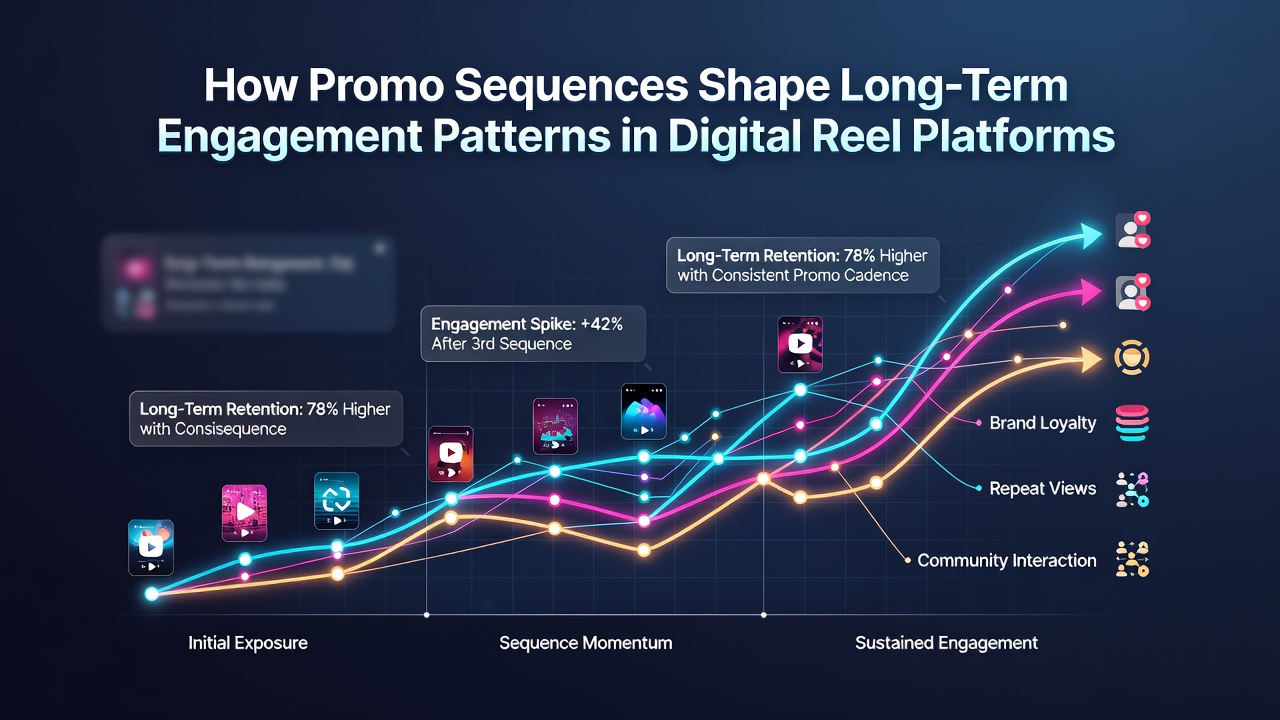
Promo sequences function as structured progressions of offers that begin with entry-level incentives and transition into sustained reward structures, and these patterns have been shown to correlate with measurable shifts in user retention metrics across reel-based platforms. Data from multiple industry analyses indicate that platforms deploying layered sequences experience distinct variations in session frequency and duration compared to those relying on isolated promotions.
Core Components of Promo Sequences
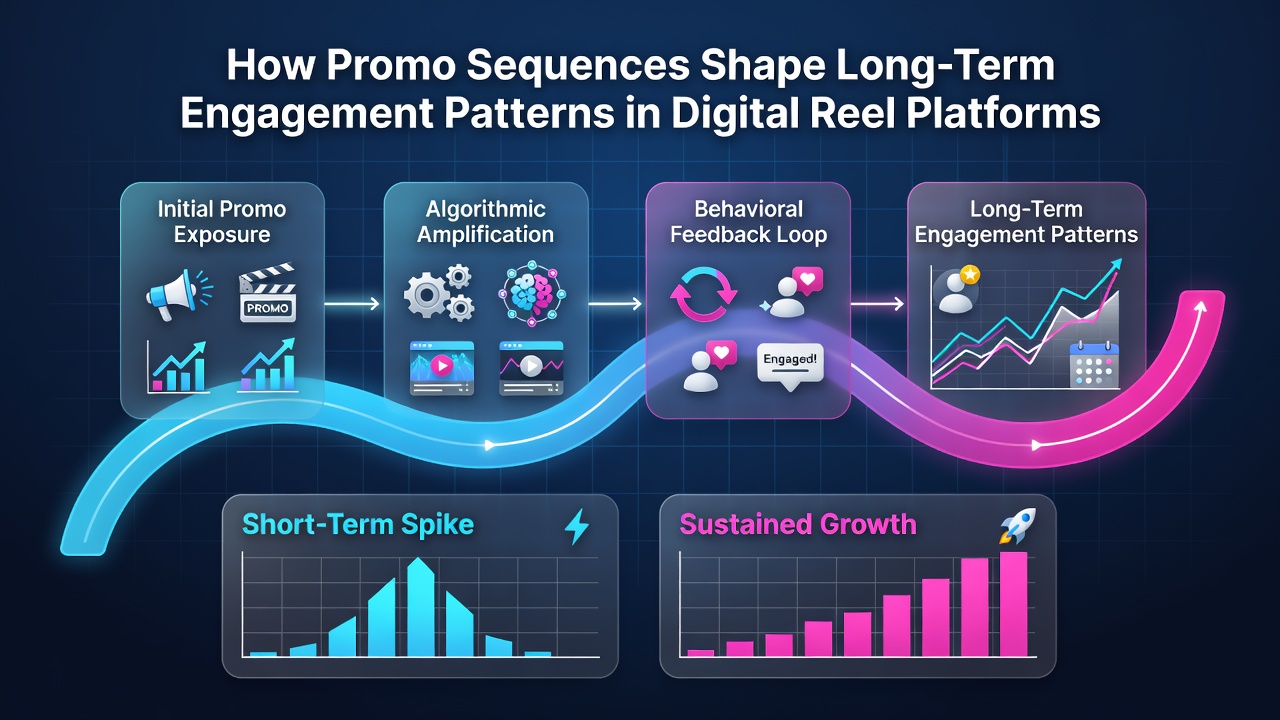
Initial access often involves no-cost entry points such as trial spins or credits that require minimal commitment, after which systems route participants toward deposit-linked incentives and tiered loyalty mechanisms. Observers note that this progression creates a pathway where early interactions set expectations for subsequent value exchanges, and studies tracking user cohorts reveal higher continuation rates when sequences maintain consistent pacing between stages.
Platform operators integrate these elements through automated triggers that respond to behavioral signals like session completion or spend thresholds, while algorithms adjust offer timing to align with individual activity histories. Research from academic institutions has documented how such adaptive sequencing reduces drop-off points by presenting relevant next steps before engagement lulls occur.
Patterns in Long-Term User Interaction
Longitudinal data collected from reel platforms demonstrate that users exposed to graduated sequences maintain activity across extended periods more frequently than those encountering static offers. Figures from a 2025 report by the Australian Gambling Research Centre show average retention extending by 18 to 24 weeks when sequences incorporate progressive milestones rather than one-time rewards.
Engagement metrics further indicate spikes in return visits following the completion of mid-sequence stages, particularly when loyalty tiers unlock personalized reel features or enhanced payout structures. Those who've examined player logs across multiple jurisdictions report that sequences spanning three to five distinct phases produce steadier interaction curves, whereas shorter or abrupt sequences correlate with quicker attrition.
Regional Data Insights as of July 2026
Platform reports compiled through July 2026 highlight continued growth in sequence-driven models within North American and European markets. A study released by the National Center for Responsible Gaming examined over 2 million user accounts and found that sequences incorporating both free-entry and loyalty escalation phases yielded 27 percent higher monthly active user retention compared to single-phase campaigns. Canadian provincial data from Ontario's iGaming regulator similarly reflected elevated lifetime value figures among accounts that progressed through at least four sequential offers within the first quarter of activity.
These patterns emerge because sequences distribute reinforcement across multiple touchpoints, allowing platforms to recalibrate offers based on real-time feedback loops. What's interesting is how timing intervals between stages influence overall trajectories, with intervals of five to seven days often producing stronger continuation signals than either immediate follow-ups or longer gaps.
Mechanisms Driving Sustained Patterns
Behavioral tracking systems record how users who complete early sequence stages exhibit increased exploration of new reel titles and higher feature utilization rates. Industry analyses from the European Gaming and Betting Association indicate that such users also demonstrate elevated interaction with social or community elements embedded within platforms, extending session lengths beyond baseline averages.
Yet the effectiveness depends on alignment between sequence design and platform mechanics. When offers remain synchronized with reel volatility profiles and payout frequencies, continuation metrics improve; mismatches in these areas have been linked to accelerated exits according to aggregated user flow studies.
Conclusion
Evidence accumulated from diverse regulatory and research bodies underscores that promo sequences operate as interconnected systems rather than isolated events, and their design directly informs the shape of long-term engagement distributions on reel platforms. Continued monitoring of cohort behaviors through 2026 and beyond will clarify how refinements in sequencing logic further modulate retention outcomes across global markets.