Slot Incentive Chains: Connecting No-Commitment Entries to Matched Deposits and Persistent Player Advantages
Alex Schmidt · Aug 4, 2026
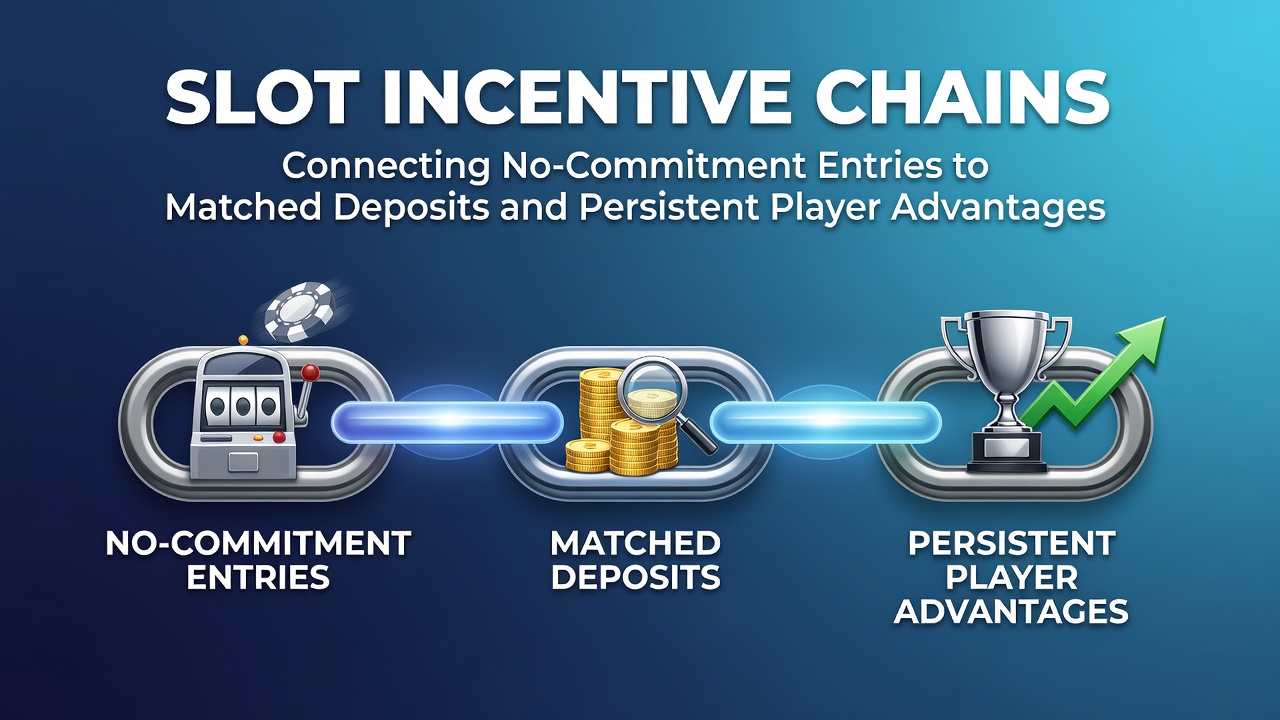
Slot Incentive Chains: Connecting No-Commitment Entries to Matched Deposits and Persistent Player Advantages
Slot incentive chains operate as structured progressions that begin with no-commitment entries and advance through deposit matches toward sustained player advantages such as tiered loyalty programs and enhanced return-to-player features. These chains function by linking initial free access mechanisms directly to subsequent funding requirements and long-term retention tools, creating pathways that data from various gaming jurisdictions show encourage continued engagement without upfront financial exposure at the first stage.
Observers note that the initial link in such chains typically involves no-deposit bonuses or free spins offered upon account registration, which then transition into matched deposit offers once a player adds funds. This progression relies on specific wagering requirements and time-bound conditions that operators enforce to move participants forward, while persistent advantages emerge through accumulated loyalty points that unlock higher-value rewards over repeated play cycles.
Mechanics of No-Commitment Entry Points
No-commitment entries serve as the entry gate in incentive chains because they require only account creation or verification steps, yet they carry built-in triggers that activate deposit match eligibility after certain play thresholds are met. Industry reports indicate these triggers often include minimum spin counts or game selections that align with operator revenue goals, and data collected across multiple platforms demonstrate conversion rates that vary by region and promotion design.
Take one case where operators in regulated North American markets structure these entries so that free credits expire unless a deposit occurs within a defined window, thereby connecting the zero-stake phase to funded activity. Such designs ensure the chain advances while players encounter clear terms around eligible games and contribution percentages toward requirements.
Transition to Matched Deposit Stages
Once players complete initial no-commitment play, the chain shifts focus to matched deposit incentives that scale rewards according to the amount funded, often applying percentage-based matches up to set caps. Figures from gaming oversight bodies in places like New Jersey reveal that these matches frequently incorporate game-specific restrictions, directing activity toward titles with particular RTP profiles to balance player appeal and operator margins.
What's interesting is how these stages integrate bonus codes that players must enter at deposit to activate the full chain benefits, and research from the American Gaming Association highlights how such codes track progression across multiple sessions. Persistent advantages begin to layer in here through point accrual systems that carry forward even after the immediate match is exhausted, fostering retention beyond single promotions.
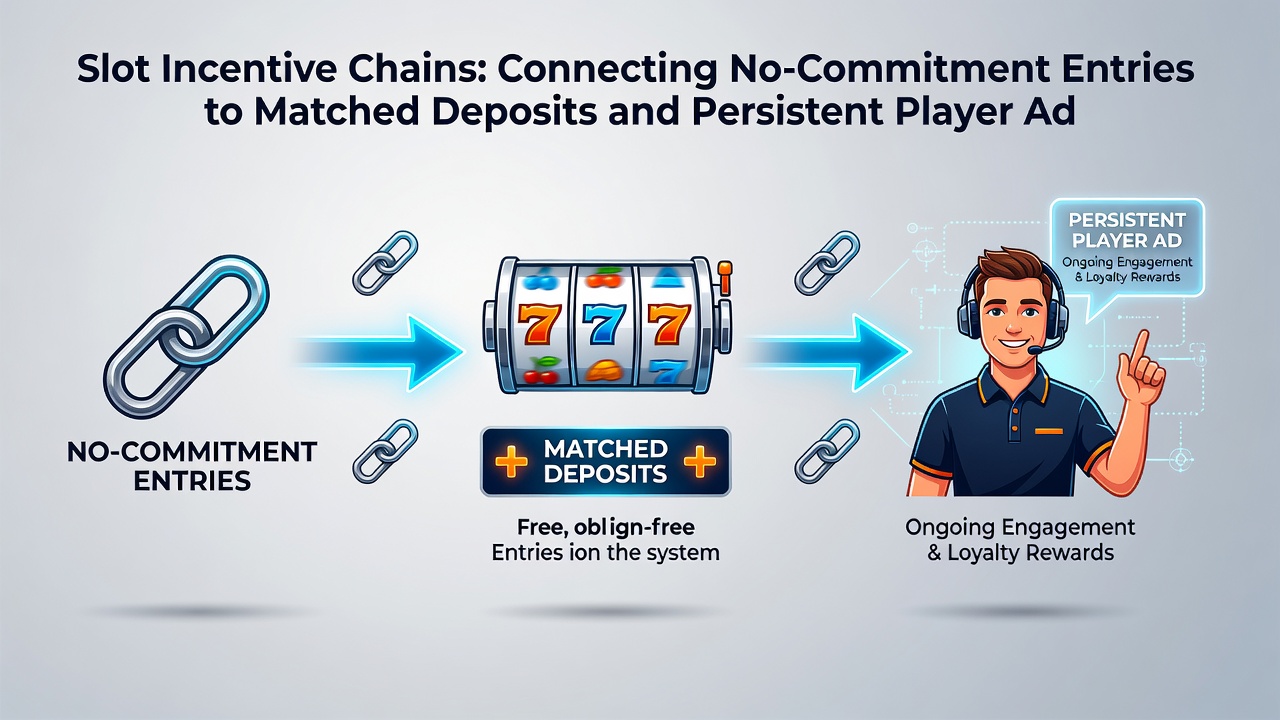
August 2026 saw several operators adjust chain parameters following updated compliance guidelines from regional regulators, including tighter rules on how quickly matched funds convert to withdrawable balances. These adjustments maintained the core connection between entry types while refining player advantage structures to emphasize longer-term loyalty tiers rather than short-term boosts.
Building Persistent Player Advantages
Persistent advantages within slot incentive chains manifest as escalating loyalty programs where points earned from both no-deposit and matched phases accumulate toward VIP status, exclusive events, and customized RTP enhancements on selected machines. Studies from institutions such as the UNLV International Gaming Institute show that players who progress through multiple chain stages demonstrate higher lifetime value metrics compared with those engaging only isolated promotions.
Operators achieve this persistence by designing loyalty ladders that reset less frequently and reward consistent activity across the chain, with examples including cashback rates that increase at each tier and priority access to new game releases. Data indicates these systems often incorporate mobile-specific bonuses that further reinforce the chain by offering seamless transitions between devices without breaking progress.
Yet the structure demands careful attention to terms because incomplete wagering on early stages can block access to later advantages, and regulators in diverse markets enforce transparency around these linkages to protect participants. One study revealed that clear communication of chain mechanics correlates with sustained engagement levels, as players understand how initial entries feed into ongoing benefits.
Conclusion
Slot incentive chains ultimately create interconnected systems where no-commitment entries initiate sequences that lead through deposit matches and culminate in enduring player advantages, supported by operational data and regulatory frameworks across jurisdictions. This linkage encourages structured participation while operators balance acquisition costs against retention outcomes through precise design of each stage.