The Mechanics of Progression: Layered Incentives Shaping Slot Player Journeys
Mia Baumann · Jul 12, 2026

The Mechanics of Progression: Layered Incentives Shaping Slot Player Journeys
Digital slot platforms organize player advancement through sequenced reward layers that begin with entry-level access and extend toward sustained engagement programs, and data from regulatory bodies across multiple jurisdictions document how these structures operate in practice. Entry mechanisms such as initial free credits or spin allocations introduce users to core gameplay loops while collecting behavioral metrics that later inform personalized offers.
Subsequent layers activate once deposit activity occurs, converting introductory trials into matched funding and extended play sessions, while operators track metrics including session duration, wager volume, and game selection to determine eligibility thresholds. Industry reports indicate that these transitions occur at predefined intervals, often measured in cumulative spend or time spent within specific titles.
Entry-Level Structures and Initial Tracking
Operators deploy no-deposit allocations as the first measurable interaction point, and records maintained by state-level commissions show that these offers generate initial data points on user retention rates within the first 24 to 72 hours. Once players complete verification steps, systems log participation patterns that feed into automated tier assignments, and analysts at research institutions note that this data collection occurs continuously rather than at discrete checkpoints.
Progression criteria typically combine quantitative thresholds such as total wagers placed with qualitative factors including game variety explored, while platform algorithms adjust subsequent offers accordingly. Figures released by the Ontario Lottery and Gaming Corporation reveal consistent patterns where players who engage multiple categories during early sessions advance to mid-tier status at higher rates than those who remain within single titles.
Mid-Tier Activation and Deposit Integration
After introductory phases conclude, deposit-linked rewards form the next operational layer, and these frequently incorporate percentage matches alongside additional spin bundles tied to specific titles or providers. Systems monitor real-time activity to trigger these benefits automatically once minimum funding levels register, and external audits confirm that payout percentages remain consistent across these stages regardless of player history.
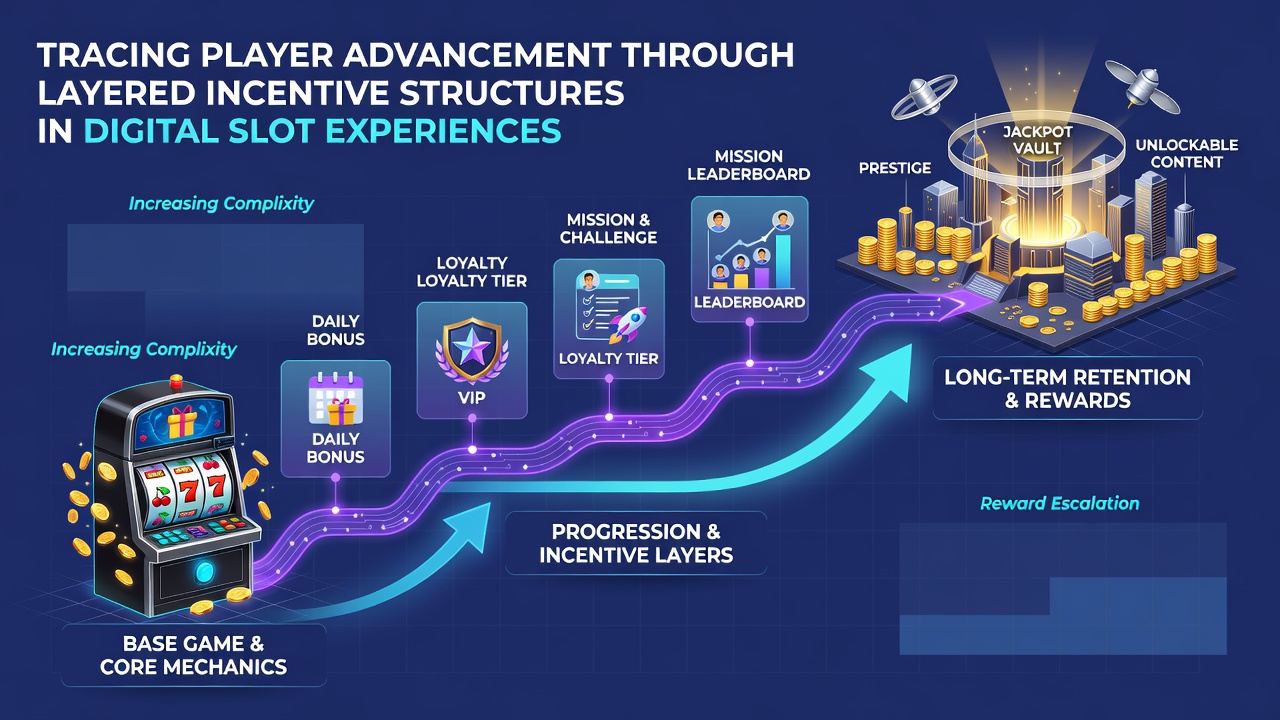
Players who reach designated wager milestones within set timeframes unlock access to enhanced loyalty point multipliers, and reports from the Australian Gambling Research Centre document that such multipliers correlate with increased cross-game exploration rather than concentration on single high-volatility options. The transition between layers occurs without manual intervention in most cases, relying instead on backend rulesets that reference accumulated metrics.
Advanced Loyalty Frameworks and Sustained Metrics
Higher tiers introduce personalized elements including dedicated account managers, accelerated point accrual, and exclusive event participation, while longitudinal studies from university-affiliated gambling research units track how these features influence long-term play frequency. Data collected through 2025 into July 2026 demonstrates that players reaching these stages exhibit distinct session patterns compared with earlier cohorts, including more varied game selection and extended play intervals.
Point systems convert activity into redeemable credits or physical rewards, and operators publish transparent conversion rates that remain uniform across all active accounts at each tier. Observers note that these frameworks incorporate both automated progression and occasional manual review for edge cases involving unusually high activity volumes.
Cross-Platform Data Integration
Modern implementations link activity across desktop and mobile environments so that advancement status remains continuous regardless of access method, and technical specifications from major platform providers detail how unified player profiles support this continuity. Metrics gathered from integrated systems feed into predictive models that forecast likely next-layer eligibility dates, allowing preemptive offer deployment.
Regulatory filings from Canadian provincial authorities and parallel documentation from Nevada demonstrate comparable approaches to data handling, with emphasis on audit trails that verify fair application of advancement rules across user bases. These records also capture instances where players decline progression offers, providing additional behavioral insights.
Conclusion
Layered incentive structures in digital slot environments function through sequential activation points that rely on continuous data capture and predefined criteria, and evidence from multiple regulatory and academic sources confirms consistent operational patterns across jurisdictions. Progression occurs as players meet accumulating thresholds that unlock successive reward categories, while backend systems maintain uniformity in rule application and metric tracking through mid-2026 and beyond.