Tracing Incentive Pathways Across Mobile Gaming Platforms
Erik Peters · Jun 18, 2026
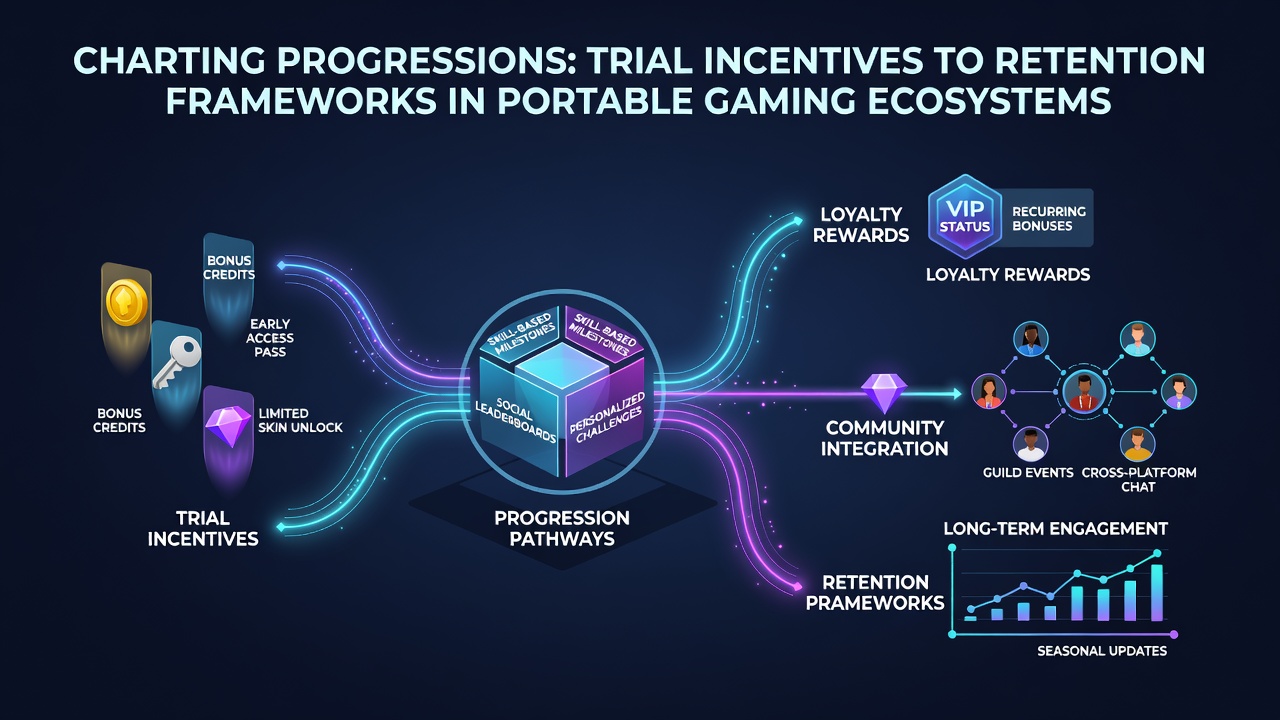
Tracing Incentive Pathways Across Mobile Gaming Platforms
Portable gaming ecosystems have developed structured sequences that move participants from initial trial incentives toward comprehensive retention frameworks, and data collected through 2026 illustrates consistent patterns across major platforms. Developers deploy entry-level offers such as free trial credits or limited-time access periods to lower barriers for new users, then transition those same users into deposit-linked rewards and tiered loyalty structures once engagement metrics reach defined thresholds.
Initial Acquisition Through Trial Mechanisms
Platform operators introduce trial incentives to onboard participants quickly, and these mechanisms typically include no-cost entry points that grant restricted playtime or sample features within mobile applications. Research from the Entertainment Software Association indicates that acquisition campaigns using trial credits achieved measurable uptake rates during the first half of 2026, particularly in markets where device penetration exceeds 85 percent among adults aged 18 to 45. Observers note that these entry offers operate under regulatory frameworks established by bodies such as the New Jersey Division of Gaming Enforcement, which requires clear disclosure of terms before any trial begins.
Once users interact with trial features, automated tracking systems record session duration, feature exploration, and return frequency. These metrics determine eligibility for the next stage of incentives, creating a data-driven handoff from acquisition tools to conversion pathways. Figures from Canadian provincial regulators show that platforms employing sequential incentive models retained 12 percent more users after the trial phase compared with static reward structures during the same period.
Transition to Deposit-Linked Rewards
After trial periods conclude, systems automatically surface deposit-matched offers that scale according to prior activity levels. This progression relies on backend algorithms that analyze behavioral signals collected during the trial window, then present personalized match percentages or additional credit bundles. Industry reports compiled by the Australian Communications and Media Authority document similar sequencing in licensed mobile gaming applications operating within its jurisdiction, where conversion from trial to funded accounts occurs within an average of 4.2 sessions when the follow-up offer appears within 24 hours of trial expiration.
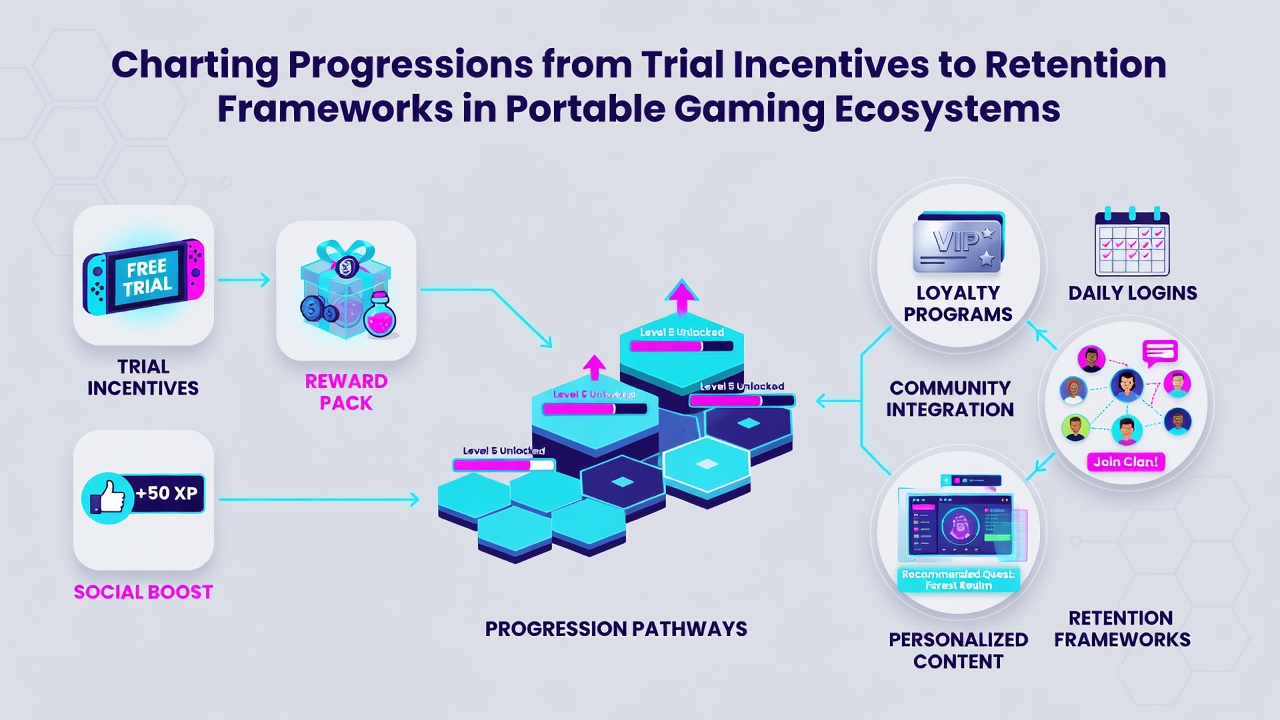
Deposit-linked stages incorporate real-time verification protocols that confirm funding sources before releasing matched amounts. These protocols integrate with banking APIs and digital wallet providers, ensuring compliance with anti-money-laundering requirements across multiple jurisdictions. Participants who complete verified deposits enter intermediate reward layers that include recurring credit allocations and feature unlocks unavailable during the trial phase.
Establishment of Retention Frameworks
Retention frameworks activate once users demonstrate sustained funding patterns, shifting emphasis from one-time rewards to cumulative loyalty structures. Tiered systems assign participants to ascending levels based on total deposits, session frequency, and feature utilization over rolling 30-day windows. Academic analysis published by researchers at the University of Nevada, Reno, examined loyalty data from 14 mobile gaming operators and found that participants reaching the second tier exhibited a 27 percent increase in average session length compared with those remaining at entry level.
These frameworks employ point-based economies that convert play activity into redeemable credits, exclusive events, or physical merchandise. Mobile applications surface progress indicators within the interface, allowing users to monitor advancement toward the next tier without leaving the platform. Data aggregated through June 2026 reveals that operators refreshing tier benefits quarterly maintained higher engagement curves than those using static reward schedules.
Integration of Analytics and Personalization
Backend analytics engines continuously refine the progression sequence by correlating trial behavior with long-term retention outcomes. Machine-learning models adjust offer timing, reward magnitude, and feature emphasis for individual accounts, and operators report that such personalization correlates with reduced churn rates in published performance summaries. Cross-platform synchronization ensures that progression data follows users across devices, maintaining continuity when sessions migrate between smartphones and tablets.
Regulatory oversight in regions outside the United Kingdom continues to shape how these sequences are presented. The Nevada Gaming Control Board, for instance, mandates that all progression terms appear in plain language before users accept any reward, a requirement that influences interface design across many portable ecosystems.
Conclusion
Portable gaming ecosystems demonstrate clear progression pathways that begin with trial incentives and advance through deposit-linked stages into structured retention frameworks. Metrics gathered through mid-2026 confirm that sequenced approaches produce measurable differences in user longevity across licensed platforms. Continued refinement of these models depends on regulatory compliance, behavioral data analysis, and consistent interface delivery within mobile environments.