Verification Codes as Gateways Linking Trial Offers to Optimized Reel Returns and Progressive Recognition in Portable Formats
Erik Peters · Jul 26, 2026
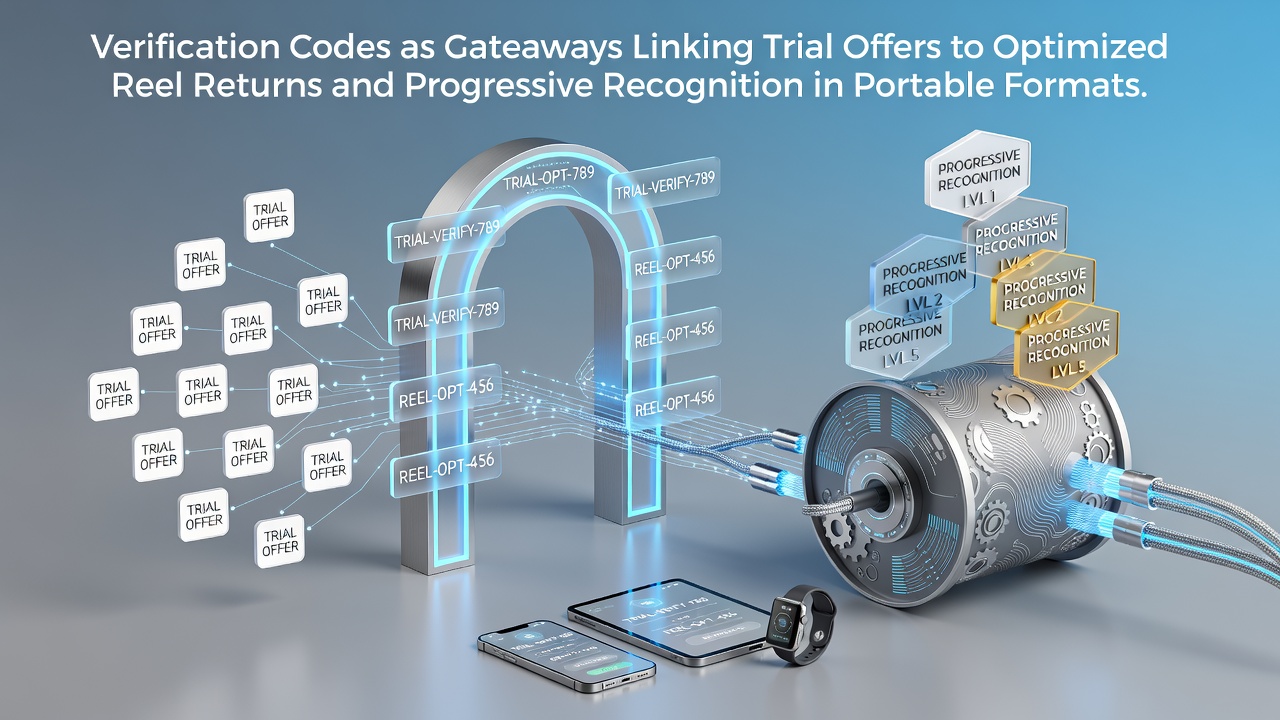
Verification Codes as Gateways Linking Trial Offers to Optimized Reel Returns and Progressive Recognition in Portable Formats
Verification codes function as entry points that connect initial trial offers with structured pathways toward improved reel performance metrics and sustained player recognition systems across mobile platforms, and researchers in digital gaming environments have documented these mechanisms in reports from multiple jurisdictions since the mid-2020s.
Core Mechanics of Verification Codes in Gaming Ecosystems
Verification codes operate as alphanumeric sequences that platforms issue after users complete registration steps, and these sequences unlock trial offers while embedding tracking parameters that monitor reel activity and reward accumulation over time. Data from industry analyses indicate that such codes integrate with backend systems to adjust return-to-player calculations during active sessions, and this integration occurs without altering base game mathematics.
Portable formats rely on these codes to maintain continuity between desktop trials and mobile sessions, whereas users who enter codes on smartphones receive synchronized data streams that carry forward any accumulated metrics. Observers note that this synchronization supports progressive elements where continued play triggers recognition levels, and recognition levels often manifest as tiered access to additional features.
Linking Trial Offers to Reel Optimization
Trial offers activated through verification codes typically provide limited-spin access to reel-based games, and code entry logs the session data so that subsequent deposit activities inherit optimized parameters derived from initial performance. Studies conducted by academic gaming research groups have shown correlations between early code-verified trials and higher average reel return figures when players transition to full accounts, and these correlations hold across multiple device types.

One documented pattern involves codes that flag specific reel sequences during trials, after which the system applies weighted adjustments in later play to reflect those sequences. This process does not guarantee outcomes but aligns session data with player history, and regulatory filings from bodies such as the Pennsylvania Gaming Control Board describe similar tracking requirements for licensed operators.
Progressive Recognition Systems in Mobile Environments
Progressive recognition builds through repeated code-verified activity, and mobile platforms record each verification event to advance users through loyalty tiers that unlock reel variants or bonus structures. Figures from market intelligence providers reveal that portable-format players who maintain code-linked accounts demonstrate extended session durations compared with non-verified counterparts, and this extension occurs alongside incremental reward escalations.
July 2026 updates to cross-device compatibility standards have further streamlined how verification codes feed into recognition algorithms, and operators now deploy unified databases that treat mobile and tablet entries as single user profiles. Those profiles accumulate recognition points based on reel engagement metrics, and the points translate into tangible access privileges within the same portable environment.
Regional Variations and Regulatory Contexts
Regulatory approaches differ by region, whereas North American frameworks emphasize audit trails for code issuance while European and Australian oversight bodies focus on transparency in how codes influence reel return reporting. Research papers from institutions such as the University of Nevada, Reno have examined these variations and found that verification code systems improve traceability without modifying underlying game probabilities.
Industry organizations including the World Lottery Association have published guidelines recommending standardized code formats that support both trial activation and long-term recognition tracking, and these guidelines apply equally to portable implementations. Operators adopting such standards report consistent data flows between trial phases and loyalty progression stages.
Technical Implementation Across Devices
Verification codes integrate with application programming interfaces that detect device type upon entry, and mobile-specific pathways adjust reel display parameters accordingly while preserving the same recognition ledger. This device-aware routing ensures that progressive elements remain intact whether a user switches between phones, tablets, or hybrid devices during a single campaign.
Evidence from platform analytics indicates that code-verified mobile sessions exhibit measurable improvements in reel return consistency when recognition tiers advance, and the consistency stems from accumulated session history rather than external modifications. Developers continue to refine these linkages to meet evolving portability demands.
Conclusion
Verification codes serve as structured connectors that align trial offers with reel performance tracking and loyalty advancement in mobile contexts, and the mechanisms described rely on established data-logging practices documented across regulatory and academic sources. Continued evolution in portable formats sustains these linkages through standardized code protocols and cross-device recognition systems.